Orthodontic Treatment for Drifting Teeth: Causes and Options

Noticing a tooth move can be unsettling, especially when a smile has looked the same for years. Orthodontic treatment for drifting teeth starts with finding out what may be contributing to the change and whether it is still happening. A shift can have more than one explanation, so an online description or photo cannot determine the cause or the right treatment. An orthodontic evaluation can help clarify what is changing and what options, if any, make sense.
What does it mean when teeth drift?
Teeth are not permanently locked into one position. Their positions can change over time, and the pattern may be subtle: a small gap appears, a front tooth overlaps another, or the way upper and lower teeth meet feels different. A person may notice a change in photographs, while brushing or flossing, or when a retainer that once fit comfortably feels tight.
A change in appearance does not, by itself, reveal what is happening beneath the surface. Some movement can be gradual, while a new or noticeable change may deserve closer attention. The teeth, gums, supporting bone, bite, and past dental or orthodontic history all matter when a clinician evaluates the situation.
It is useful to distinguish a concern about position from a confirmed cause. A tooth that looks out of line does not automatically mean a person needs braces or aligners. Likewise, simply putting on an old retainer is not a reliable way to assess a new change. The first step is a professional examination.
What can cause teeth to shift?
There is no single explanation for every drifting tooth. Natural changes over time, gum disease, missing teeth, and not wearing a retainer after orthodontic treatment are among the factors discussed by the University of Rochester Medical Center. That list is general information, not a way to identify the cause in an individual case.
Prior orthodontic treatment is one part of the history an orthodontist may ask about. Teeth can move after braces or aligner treatment, and retainers are commonly used to help maintain the position achieved. Whether a particular retainer still fits or is suitable depends on the person and the appliance. A retainer that is tight, damaged, or no longer fits as expected should be discussed with a dental professional rather than forced into place.
Changes in the gums or other dental conditions may also be relevant. Gum health affects the tissues that support teeth, so bleeding, swelling, tenderness, or a tooth that seems newly loose should not be treated as a cosmetic alignment issue alone. Missing teeth or changes in nearby teeth can alter the arrangement and contact between teeth. An examination helps the clinician assess these factors instead of assuming the visible movement is isolated.
Some shifts develop slowly and are noticed only after they become more visible. A recent, rapid, or painful change warrants more prompt assessment. It is also important to share any recent dental work, injury, changes in chewing, and the timing of the movement. Those details can help the clinician decide what needs to be examined.
Try to describe what you observed rather than deciding in advance why it happened. For example, note whether you first saw a new space, overlap, or change in how the teeth meet, and whether the change has continued. If you have older photos that show your smile, they may help you explain what you noticed, but they are not a substitute for examination. Avoid repeatedly testing or pressing a tooth to see whether it moves. A dental professional can assess it safely and determine whether the concern needs orthodontic or other dental follow-up.
It is also possible to have more than one relevant factor at a time. Past orthodontic treatment may be part of the history, while the current gum or dental condition also matters. That is why an evaluation should take the whole situation into account instead of assigning a cause from one detail. Share all the changes you have noticed, even if they seem unrelated to the tooth position.
Why does an orthodontic exam matter?
An orthodontic exam looks beyond whether a tooth appears crooked. The clinician can review the alignment and bite, ask when the change began, and consider the history of braces, aligners, retainers, dental treatment, and gum or tooth changes. The assessment is individualized; the same visible shift may lead to different recommendations for different people.
The exam also helps determine whether the issue belongs solely in orthodontic care or whether another dental assessment should come first. If there are signs of a gum or tooth concern, that needs appropriate professional attention. An orthodontic consultation is not a remote diagnosis, and an orthodontist cannot confirm the underlying cause from a short description alone.
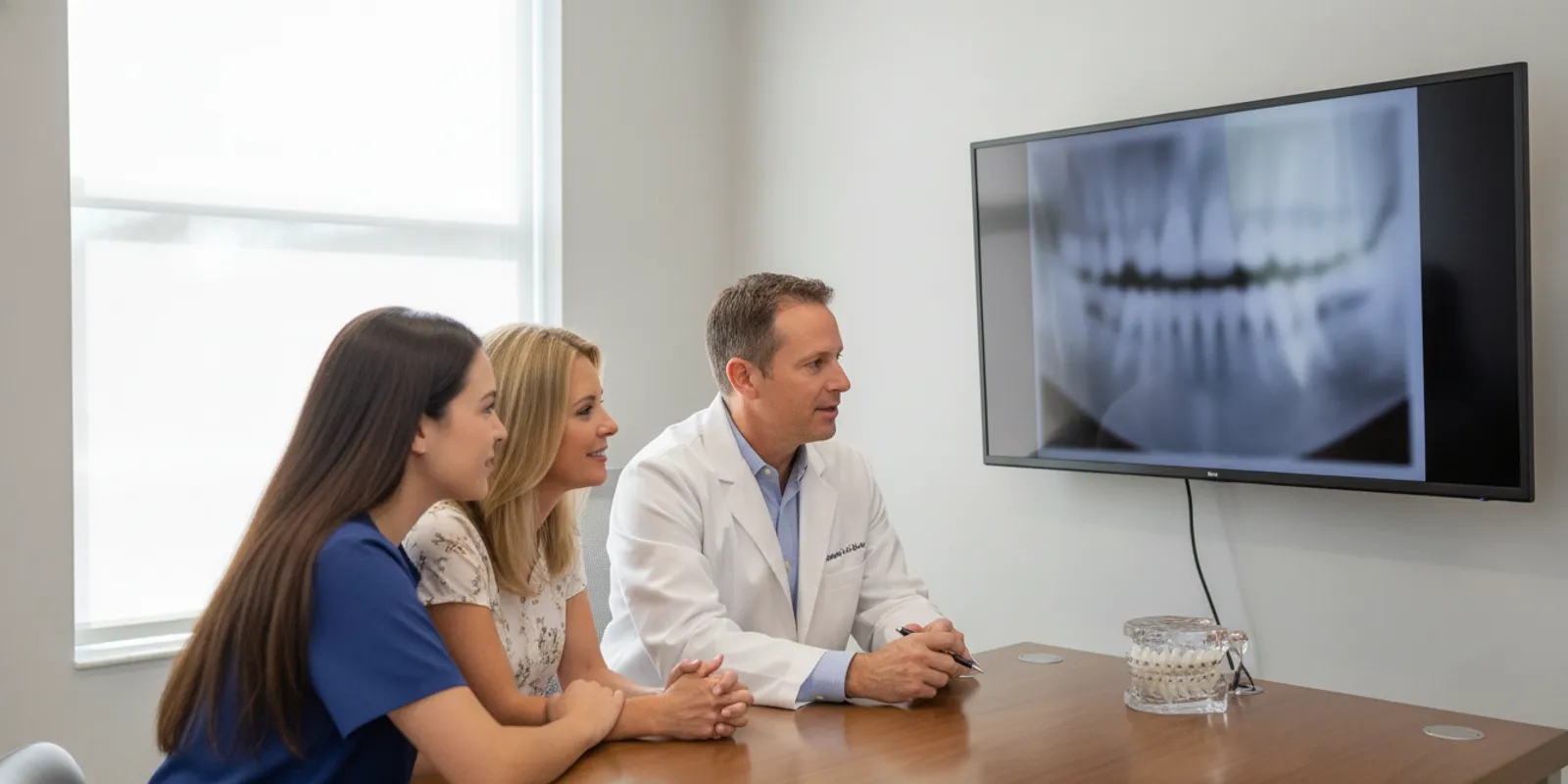
The conversation is also a chance to establish whether the position has changed recently or appears stable, and what the concern means for your bite and daily routine. The clinician may ask about discomfort, chewing, oral hygiene, prior treatment, and how a retainer has been used. Depending on the situation, the practice may use appropriate records or imaging as part of its assessment. You can ask what each step is intended to clarify. A useful explanation should connect the findings to the recommendation, rather than jumping from a visible shift straight to an appliance.
If you are considering care for a child or teen, include them in the discussion at an age-appropriate level. They can describe what they have noticed and ask questions about daily responsibilities. For an adult, work, meals, speaking, and past orthodontic history may shape the questions to bring. The recommendation still depends on the clinical assessment, but sharing practical concerns helps make the conversation relevant to real life.
At a consultation, useful questions include:
What changes do you see, and how do they relate to my bite?
Could the gums, a missing tooth, prior treatment, or another dental factor be involved?
Should I have another dental concern assessed before considering alignment treatment?
Is my current retainer appropriate, and should I wear it while we clarify the plan?
What are the reasonable options, and what would each involve?
Bring any retainers you have, if possible, and describe when you first noticed the shift. If you have older orthodontic records or know when treatment ended, that context may help. You do not need to arrive with a diagnosis or a preferred appliance in mind. The purpose of the evaluation is to understand the situation and discuss an appropriate next step.
When might a retainer be considered?
A retainer is intended to help maintain tooth position after orthodontic treatment. In some circumstances, a clinician may recommend a retainer as part of maintaining a result, but a retainer is not a universal solution for every new shift. It does not address every possible reason for movement, and it should not be used to push teeth into a different position without professional guidance.
If a retainer still fits comfortably and you have been instructed to wear it, follow the instructions provided by your clinician. If it no longer seats fully, causes discomfort, looks damaged, or seems to make the change worse, contact a dental professional for advice. Do not force it or try to reshape it at home. If you never had orthodontic treatment, a retainer is not automatically the right response to newly shifting teeth.
Retainer type and wear instructions vary. A clinician can assess the appliance and decide whether it remains appropriate, needs adjustment or replacement, or whether another assessment or treatment plan is needed. More information about the practice's braces and orthodontic questions can help you prepare for a conversation, but it cannot replace an individual exam.
When could active orthodontic treatment be discussed?
If an evaluation shows that tooth position or the bite needs active correction, the orthodontist can explain whether treatment is appropriate and what it may involve. Options can include braces or clear aligners, depending on the individual assessment. The presence of drifting does not automatically make someone a candidate for a specific appliance, and not every case requires active orthodontic treatment.
For some patients, the first priority may be understanding or addressing a dental or gum concern. For others, the clinician may discuss alignment after reviewing the teeth, bite, and relevant history. The plan should reflect the actual findings and the patient's needs, not just the fact that a tooth has moved.
When comparing options, ask what each approach is intended to address, what follow-up it involves, what responsibilities come with it, and how the plan will be reviewed. For aligners, ask about wear and care expectations. For braces, ask about appointments and day-to-day care. A recommendation should make clear why it fits your situation and what uncertainties remain.
It is also reasonable to ask how the proposed approach fits your priorities at home, school, or work. Families may want to understand how an appliance affects cleaning routines, meals, sports, or other everyday activities. Adults may have questions about speaking at work or managing a removable appliance during the day. The answer depends on the option being discussed and the individual plan, so ask the orthodontist to explain the trade-offs for your specific circumstances rather than relying on a general comparison.
Ask how you can reach the office if you have a concern between scheduled visits, and what kind of issue should prompt a call. Knowing where to direct questions can make it easier to follow the plan safely. The office can explain its communication process and the appropriate response for your case.
Possible next step | When it may be considered | What to clarify with the clinician |
Professional evaluation | When you have noticed a new, changing, or unexplained shift | What may be contributing, whether other dental assessment is needed, and how soon to follow up |
Retainer review | When you have a retainer from prior treatment or have questions about maintaining tooth position | Whether the appliance still fits and whether its current use is appropriate |
Active orthodontic treatment discussion | When an exam indicates that correction of tooth position or the bite may be appropriate | Which options fit the findings, what the process involves, and how progress will be reviewed |
Assessment of another dental concern | When gum, tooth, pain, or looseness changes are also present | Which dental professional should assess the concern and what should happen before alignment care |
This table is a conversation guide, not a treatment decision chart. The clinician's findings determine which steps apply. If you want to learn about the practice's braces options or Invisalign care, use those pages to prepare questions and then discuss suitability at an evaluation.
What should you do if the change is new or painful?
Contact a dental professional promptly if the movement seems sudden, is painful, or comes with gum changes such as swelling or bleeding, or if a tooth feels loose. Those signs need professional assessment; do not wait for a routine orthodontic visit if you are concerned about an active dental problem. If you have severe pain, significant swelling, an injury, or another urgent concern, seek timely dental care.
Until you receive guidance, avoid trying to move a tooth yourself, forcing a retainer, or relying on an online photo to decide what is wrong. Note when the change began and any symptoms or recent dental events. If you already have an orthodontist or dentist, contact that office and describe what changed. If you are unsure who should assess it, a dental office can advise on the appropriate next step.
For a gradual change without pain, arranging an evaluation is still a sensible way to understand the situation. It can help separate questions about tooth alignment from other factors that may need attention. The timing and type of follow-up depend on the details of your case.
How can families and adults prepare for an appointment?
A little preparation can make the discussion more useful. Write down when you first noticed the shift, whether it has changed since then, and whether it affects one tooth or several. Mention previous braces or aligners, retainer use, dental work, missing teeth, and any changes in gum comfort or chewing. If you have a retainer, bring it along rather than guessing whether it still fits properly.
Parents can describe when they noticed a child's teeth changing and share relevant dental history. A child's developing bite and an adult's post-treatment shift are not interchangeable situations, so the clinician will tailor the evaluation to the person. A check-up is an opportunity to ask questions, not a commitment to begin treatment.
Adults who had orthodontic care years ago may not know whether a current change is related to the earlier treatment. That is fine. Share what you remember, including whether you still have a retainer and how often you have used it. The clinician can evaluate the present situation without requiring you to explain it in technical terms.
Shullman Orthodontics provides orthodontic consultations in Wellington, Florida. The practice's pages about a child's first orthodontic evaluation and remote monitoring offer additional context on care topics. Any treatment recommendation still depends on an individual assessment, and remote communication does not replace needed office visits.
Frequently asked questions
Can teeth shift even years after braces?
Tooth positions can change over time, including after orthodontic treatment. Retainers are used to help maintain alignment, but the right guidance depends on the current fit of the appliance and an examination. If a retainer no longer fits as expected, ask a dental professional rather than forcing it.
Does a drifting tooth always mean I need braces?
No. A visible shift alone does not establish its cause or mean that active orthodontic treatment is necessary. An evaluation can assess tooth position, bite, gum health, and relevant dental history before options are discussed.
Should I wear an old retainer if my teeth have moved?
Do not force an old retainer into place. If it fits comfortably and you have current instructions, follow those instructions; if it feels tight, does not seat fully, is damaged, or causes discomfort, contact a dental professional for advice.
When should I seek prompt care?
Seek prompt professional assessment when a shift is new or rapid, painful, or accompanied by gum changes or a loose-feeling tooth. A dental professional can advise what needs attention and whether orthodontic evaluation is also appropriate.
The most helpful next step is an individual assessment, especially when a change is recent, uncomfortable, or accompanied by other dental concerns. Once the clinician understands what is happening, you can discuss whether monitoring, a retainer review, active treatment, or another form of care is appropriate.