Orthodontic Treatment for a Gummy Smile: Questions to Ask

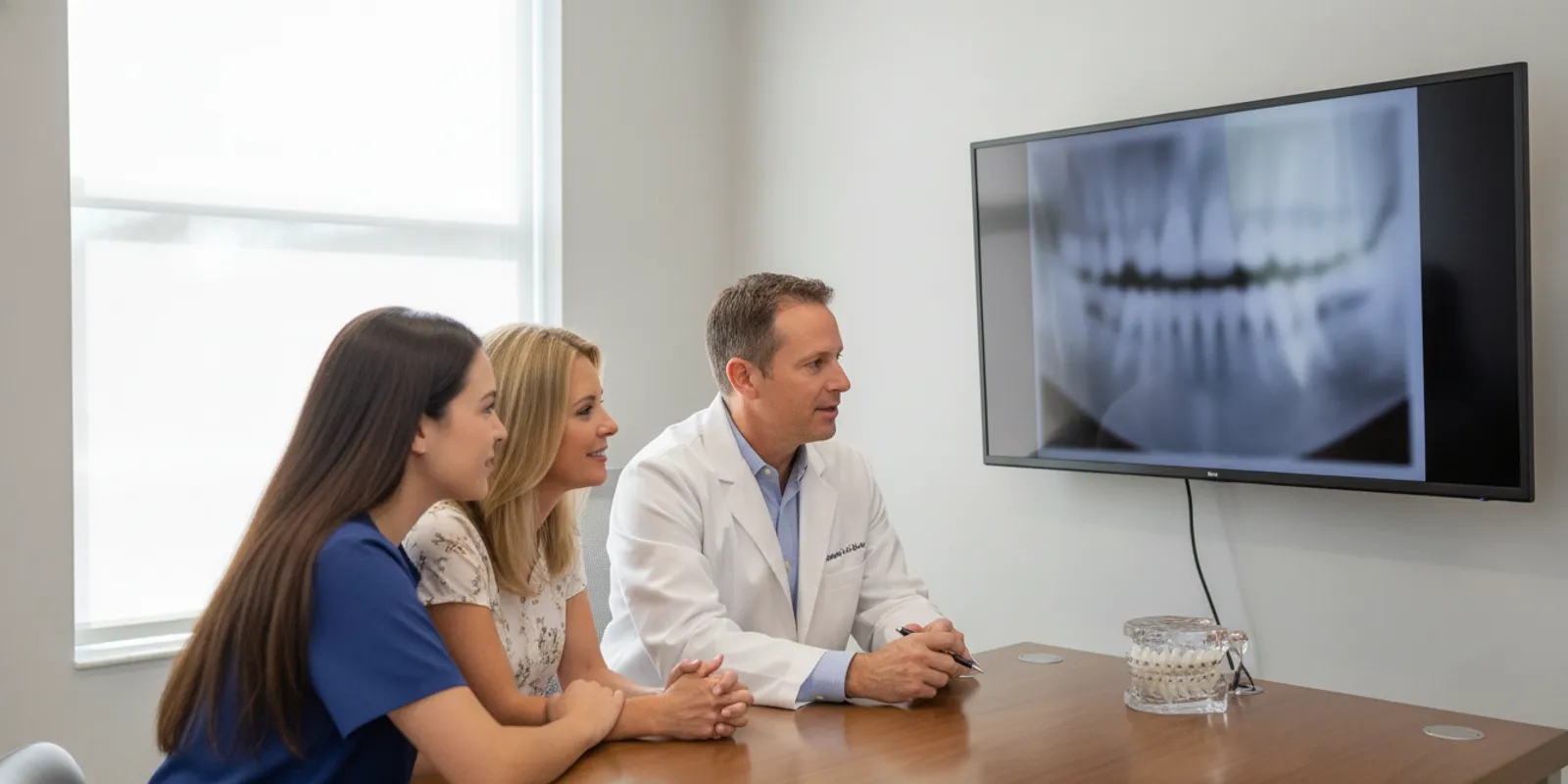
If you are wondering whether orthodontic treatment for a gummy smile could be relevant, it helps to start with a careful evaluation rather than a quick label. The amount of gum that shows when someone smiles can reflect several parts of the smile working together, including tooth position, the way the teeth meet, growth, and the relationship between the teeth, gums, lips, and face. An orthodontist can assess those factors and explain whether orthodontic care is relevant to your individual concerns.
What does “gummy smile” mean?
People often use “gummy smile” to describe a smile in which a noticeable amount of gum tissue shows above the upper teeth. It is a description of appearance, not a diagnosis by itself. There is no single amount of visible gum that determines whether a smile needs treatment. What feels noticeable to one person may not bother someone else, and a photograph or brief glance cannot explain why the gumline looks the way it does.
That distinction matters because the same concern can have different contributing factors. Teeth may sit differently within the supporting bone, the bite may affect how the upper and lower teeth relate, facial growth may still be changing, or the lips and gum tissue may influence how much is seen during a smile. More than one factor can be present at once. An orthodontist evaluates the whole relationship rather than assuming that one feature explains everything.
If the concern is yours, or your child’s, you do not need to identify the cause before making an appointment. It can be useful to describe what you notice and what you would like to understand. An examination helps determine whether orthodontic factors are involved and whether any next step should be considered.
What might an orthodontist assess?
An evaluation is not simply a count of how much gum appears in a smile. The orthodontist looks at the teeth, bite, supporting structures, facial proportions, and smile movement as a connected system. The questions below describe areas that may be considered. They are not a checklist for diagnosing yourself at home.
Tooth position and how much tooth shows
The position and angle of the teeth can affect the way the visible teeth and gumline appear. The orthodontist may look at how the upper front teeth sit in the dental arch, how much of each tooth is visible at rest and when smiling, and how neighboring teeth relate to them. Tooth shape and gum coverage can also influence the appearance of the smile, so visible gum is not automatically a tooth-position problem.
Orthodontic care is designed around tooth movement and the bite, when appropriate. An orthodontist considers whether tooth position is part of the concern and whether moving teeth is suitable for the person’s overall bite. The appearance of gum tissue alone does not establish that braces or aligners are needed. For a general introduction to orthodontic care, the American Association of Orthodontists offers patient information.
Bite and the relationship between the jaws
The way upper and lower teeth come together is another part of the assessment. The orthodontist may look at the bite from the front and sides, how the front teeth overlap, and whether the upper and lower arches fit together as expected for that patient. Jaw position and facial proportions may also inform the conversation. These observations help the clinician understand the broader orthodontic picture, not just the visible gumline.
A concern about gum display does not, by itself, tell you what the bite is like or what treatment would be appropriate. The same smile concern can occur alongside different bite patterns, and a person can have visible gum without needing orthodontic treatment. You can read more about braces and orthodontic treatment options, but an examination is needed to discuss how any option might apply to a particular case.
Growth and age
For children and teens, growth is a relevant part of planning. A child’s teeth, jaws, and face are still developing, so the orthodontist considers age and growth stage when discussing whether to monitor or consider care. An early evaluation does not mean treatment must begin right away. Sometimes the appropriate recommendation is to keep an eye on development and revisit the question later.
Adults can also ask about their smile. Their evaluation considers the present bite and dental condition rather than assuming that treatment is only for children. In either case, timing is individual. An orthodontist should explain what is known at the appointment and whether follow-up observation or another professional assessment could be useful.
For parents who are considering when to seek an initial check, see the practice’s explanation of why a child may have an orthodontic evaluation around age seven. An evaluation at that age is a check of development, not a promise or requirement to start treatment.
Lips, gums, and the broader smile structure
The lips affect how much of the teeth and gums show when a person smiles. The orthodontist may observe the smile in motion as well as at rest, since people do not all move their lips in the same way. Gum tissue, tooth proportions, and the way the teeth sit within the face may also be considered. This broader view helps avoid treating a single visible feature as though it has one simple explanation.
Not every factor that shapes a smile is an orthodontic issue. Depending on what the evaluation finds, the clinician may explain that orthodontics is relevant, that another type of professional assessment may be needed, or that no treatment is necessary. A consultation should clarify the limits of what orthodontic care can address. It should not promise that a particular appliance will change the appearance of the smile in a specific way.
How do these factors shape possible next steps?
There is no universal “gummy smile treatment” that fits everyone. The recommendation depends on what the orthodontist observes, the patient’s age and dental health, the bite, and the person’s goals. For some people, orthodontic treatment may be discussed if tooth position or the bite is part of the concern. For others, orthodontics may not address the main factor, or there may be no clinical reason to treat it.
When orthodontic care is appropriate, the clinician may discuss options such as braces or clear aligners based on the individual case. Shullman Orthodontics offers traditional braces and Invisalign; whether either is suitable for a specific concern is determined through an in-person evaluation. The appliance is one part of the plan, not a guarantee of a cosmetic change. The orthodontist should explain what the proposed treatment is intended to address, what it cannot address, and how progress would be reviewed.
Sometimes the most useful next step is observation, particularly for a growing child when the timing of development matters. Sometimes the orthodontist may recommend input from another dental or medical professional if the concern involves structures outside the scope of orthodontic care. A referral or additional assessment is not a failure to answer the question. It can help ensure that the plan fits the reason for the concern.
If the clinician presents more than one path, ask how each connects to the findings from your exam. You should be able to understand why a choice is being discussed, what the relevant tradeoffs are, and what other questions remain. For details about aligner care in general, the practice also explains Invisalign treatment; that information is not a substitute for an individualized recommendation.
How can you compare options during a consultation?
A side-by-side comparison can help you keep the discussion focused. The table below is a framework for questions, not a diagnosis or treatment recommendation. The answers depend on the clinical findings and the orthodontist’s plan.
Possible next step | When it may come up | Questions to ask |
Orthodontic treatment discussion | The examination suggests tooth position or the bite is relevant to the concern. | Which finding is treatment intended to address? What are the limits of orthodontic care for my concern? |
Observation or later review | Growth or changes over time are relevant, or treatment is not recommended now. | What should we watch for? When, if ever, should we return for another evaluation? |
Another professional assessment | The clinician believes a factor outside orthodontics may be important to understand. | What kind of assessment is suggested, and what question would it help answer? |
No treatment at this time | The evaluation does not identify a reason to begin orthodontic care, or the patient does not want treatment. | Can you explain the findings and whether routine follow-up is needed? |
When discussing an appliance, ask how the clinician reached that recommendation and whether alternatives are reasonable. It is also fair to ask about the responsibilities involved, such as keeping appointments or following instructions for removable aligners. Treatment plans differ, so avoid relying on someone else’s timeline, photos, or experience as a prediction of your own.
What should parents and adults prepare to ask?
You do not need to arrive with technical terms. A few clear questions can make the conversation more useful and help you leave knowing what the recommendation means. Consider writing down what you notice and what matters most to you, whether that is understanding the cause, learning if growth is relevant, or knowing whether orthodontics is a possible part of care.
What factors do you think contribute to the visible gum in this smile?
How do tooth position and the bite affect your assessment?
Does age or remaining growth change the timing of any possible next step?
Is orthodontic treatment relevant here, or might another assessment be more appropriate?
If you recommend braces or aligners, what specific concern is the plan intended to address?
What are the limits, responsibilities, and tradeoffs of the option you are discussing?
If treatment is not recommended now, what should we monitor and when should we check back?
What fees and payment arrangements apply to the recommended plan?
Parents can include their child in the conversation in an age-appropriate way. Ask the orthodontist to explain the findings in language your child can follow and to distinguish an evaluation from a decision to start treatment. Adults can raise concerns about prior orthodontic treatment, current dental care, or changes they have noticed. Share what is relevant and ask how it affects the assessment.
It may also help to ask for a written summary of the proposed plan and financial details. Treatment fees vary by case and service, so a general range or another person’s bill cannot tell you what your own care would cost. Ask what is included, which payment methods or insurance questions the office can review, and whether the plan could change after further assessment.
What can you expect from an in-person evaluation?
The purpose of an in-person evaluation is to connect your concern with the orthodontist’s observations. The clinician can examine the teeth and bite, consider growth when relevant, and discuss how the smile functions and appears. The information gathered supports a case-specific conversation; it does not mean every patient needs an appliance or that a particular result can be guaranteed.
Before the visit, it can help to note when you became aware of the concern and whether it has changed over time. You might describe whether you notice it only in a broad smile or also when your face is relaxed, but avoid trying to measure the gumline or decide what is causing it. If the concern is about a child, ask your child what they have noticed and let them share their own questions. A few notes can help keep the conversation centered on what matters to your family, rather than on comparisons with another person’s smile or an online image.
During the appointment, ask the orthodontist to connect each recommendation to the examination findings. If a term is unfamiliar, ask for it to be explained in plain language. You can also ask whether the clinician is proposing active care, observation, or another assessment and why. If you leave unsure about the next step, it is reasonable to ask for clarification before making a decision. Understanding the reasoning is useful whether the recommendation is treatment now, a future check, or no orthodontic care.
For children, parents can explain what prompted the visit and mention any questions about timing or development. For teens and adults, it is useful to describe what you would like to understand without feeling you must choose a treatment before the exam. If you already receive dental care, the orthodontist can discuss how that information fits into the evaluation. For more on the practice’s approach to clear aligners, visit its Invisalign frequently asked questions page.
Shullman Orthodontics is an orthodontic practice in Wellington, Florida, serving children, teens, and adults. A complimentary consultation offers an opportunity to ask about your concern and hear a case-specific assessment. If you are comparing providers or have questions before scheduling, the practice contact page has office details.
Frequently asked questions
Does visible gum always mean someone needs orthodontic treatment?
No. Visible gum is a description of appearance, not proof that treatment is needed. An orthodontist can assess tooth position, bite, growth, and smile structure, then explain whether orthodontics is relevant or whether another step is more appropriate.
Can braces or clear aligners address every gummy smile?
No single appliance is right for every case, and orthodontic treatment may not address every factor that affects gum display. If tooth position or the bite is involved, an orthodontist may discuss braces or aligners as part of an individualized plan. The clinician should explain what the option is intended to do and its limits.
Should a child wait until all permanent teeth have come in?
There is no one answer for every child. An orthodontist can evaluate development and explain whether to monitor, consider care, or return at a later time. An early check does not mean that treatment must begin immediately.
Can a photo tell me what is causing the concern?
A photo can show what you are noticing, but it cannot provide a complete assessment of the bite, growth, or smile movement. Bring the question to an in-person evaluation so the orthodontist can consider the relevant factors together.
Make a decision with a clear assessment
A concern about gum display deserves an explanation grounded in the individual smile, not a one-size-fits-all answer. Ask how tooth position, bite, growth, and the broader smile structure relate to the findings, and what choices are appropriate for your situation. An in-person evaluation can help you understand whether orthodontic care belongs in the conversation and what questions to consider next.