Orthodontic Treatment After Dental Trauma: What to Know

Orthodontic treatment for dental trauma is not a one-size-fits-all next step. After a blow or accident involving the mouth, a dentist may need to address urgent problems first, while an orthodontic evaluation can help assess how the injury affects tooth position, bite, and future planning. The right sequence depends on the teeth and supporting tissues involved, as well as any immediate dental care that is needed.
When should a dental injury be assessed urgently?
Dental trauma can range from a small chip to a displaced, loosened, or knocked-out tooth, or an injury to the lips and gums. What you can see in a mirror may not show the full extent of an injury. Contact a dentist promptly for guidance after a significant impact. If there is severe bleeding, facial injury, trouble breathing or swallowing, or a suspected jaw injury, seek emergency medical care.
If a permanent tooth has been knocked out, treat the situation as urgent and contact a dentist or emergency dental service immediately. Handle the tooth by its crown rather than its root, and do not scrub it. Ask the dental professional what to do while arranging prompt care. For a chipped or displaced tooth, avoid trying to reposition it yourself. Keep any fragments if practical and ask the dental team how to protect the area.
Orthodontic care does not replace emergency dental treatment. The first priority may be stabilizing an injured tooth, treating a wound, or evaluating the root and surrounding bone. An orthodontist can assess alignment and bite when appropriate, but the clinician managing the injury should guide immediate care. The American Dental Association’s website offers patient resources; for an injury, follow advice from a dental professional who can assess the situation.
Do not wait for an orthodontic appointment if an injury needs urgent attention. If you are unsure which kind of care is needed, call a dentist or emergency dental service and describe what happened, what you can see, and any changes you have noticed. If you cannot reach a dental professional and the situation appears serious, seek emergency medical help.
Why might an orthodontic evaluation matter after trauma?
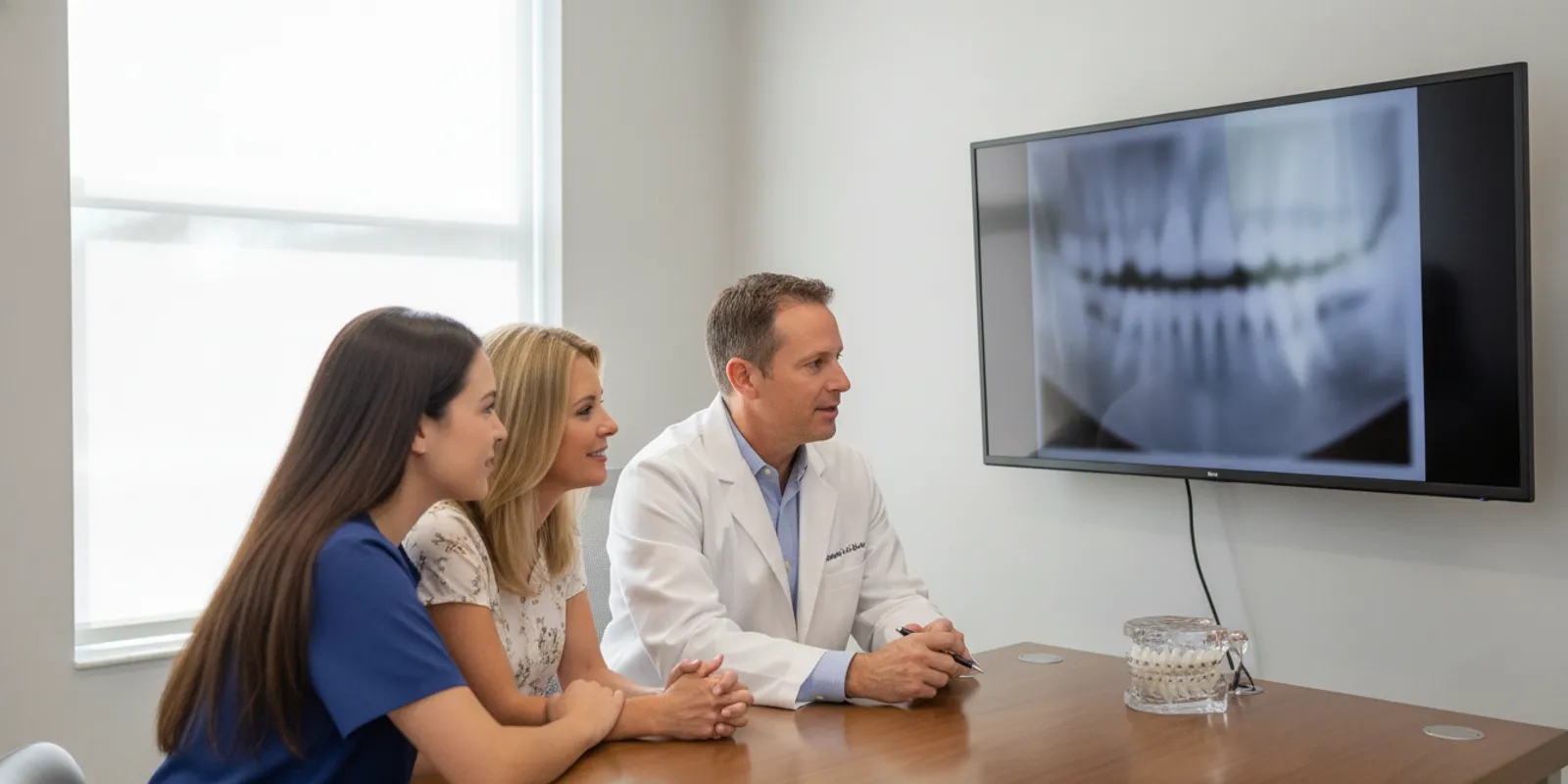
Trauma can affect more than how a tooth looks. It may change a tooth’s position, alter the way the upper and lower teeth meet, or involve tissues that support the tooth. A dental professional will decide what examination or imaging is appropriate. Later, an orthodontic assessment may help determine whether the injury has affected alignment or bite, and whether orthodontic treatment should be discussed.
Not every injured tooth leads to braces or clear aligners. Some people need dental treatment and observation, while others may have a lasting alignment concern that merits a separate orthodontic plan. A consultation is an evaluation, not a promise that treatment is necessary or that a particular appliance is suitable. A clinician may recommend that the patient continue with dental follow-up first, then revisit the orthodontic question when more information is available.
The distinction matters because the visible position of a tooth is only one part of the picture. A tooth that looks slightly out of line might have other concerns that need attention first. Conversely, a tooth may look normal while a patient notices a new change in how the teeth come together. Only an examination can sort out which findings matter and what should be monitored.
For children and teens, growth and developing teeth can influence the discussion. A parent can share when the injury happened, what care the child has received, and any changes noticed afterward. Adults should bring the same information, along with relevant history such as previous dental work or orthodontic treatment. If a child already has braces or aligners, contact the treating dental and orthodontic teams for case-specific instructions rather than adjusting an appliance at home.
What affects the timing of orthodontic treatment?
There is no universal waiting period that applies to every injury. Timing depends on what happened, what urgent care was needed, how the tooth and supporting tissues are doing, and the findings from professional examinations. A treating dentist or other appropriate dental clinician can explain whether the area needs time, monitoring, or additional care before orthodontic forces are considered.
For example, a minor chip with no apparent change to tooth position may prompt a different sequence from a tooth that has been displaced or loosened. A jaw or facial injury may require medical assessment before anyone considers elective alignment planning. If a tooth has received dental treatment, follow-up findings and the treating clinician’s guidance also matter. These examples illustrate why another person’s timeline should not be used as a guide for your family.
It may help to think in stages rather than search for a single date when orthodontics can begin. The first stage is addressing urgent concerns. The next may involve follow-up checks or observation. Once the clinician managing the injury has assessed the situation, an orthodontic consultation can focus on whether tooth position or bite needs additional consideration. In some cases, the dental and orthodontic conversations may overlap; in others, the orthodontic discussion may be more useful later.
Situation | What the care team may consider | Useful next step |
Acute injury, significant pain, or a tooth that appears displaced | Immediate dental or medical needs take priority over elective orthodontic planning. | Contact a dentist promptly; seek emergency medical care for severe or concerning symptoms. |
Injury has been treated, with follow-up still planned | The dental team may monitor the area and decide what findings or records are needed before orthodontic decisions. | Follow the treating clinician’s instructions and keep recommended reviews. |
A new bite or alignment concern remains | An orthodontist may assess tooth position and discuss whether treatment is appropriate after urgent concerns are addressed. | Bring injury and treatment records to an orthodontic consultation. |
No ongoing concern is apparent, but the family has questions | A clinician can explain whether monitoring or a separate orthodontic opinion is useful. | Ask the treating dental professional what follow-up, if any, is recommended. |
This table is a general guide, not a clinical protocol. The professionals who examine the injury determine the safe sequence for an individual patient. If symptoms worsen or new concerns appear, contact the treating dental team rather than waiting for a routine orthodontic appointment.
What information should you bring to an appointment?
A clear timeline can help clinicians understand what happened. Before a non-emergency appointment, write down the date and circumstances of the injury, which teeth or areas were affected, and what changed afterward. Include observations such as pain, sensitivity, swelling, or a difference in how the teeth meet. These details help describe the situation, but they do not diagnose the injury.
Bring notes or records from urgent dental visits, if available.
List any treatment already provided and the follow-up instructions you received.
Share relevant dental history, including prior orthodontic treatment, restorations, or known concerns.
Ask whether the dentist recommends an orthodontic evaluation now or after another stage of care.
Bring the names and contact information of clinicians already involved, if you have them.
Write down questions before the visit so important concerns are not forgotten.
If the injury occurred at school or during sports, the family may have an incident report or information about protective equipment. This can provide useful context, though it does not replace an examination. Note whether the event involved a direct impact, a fall, or an object, without trying to infer which structures were injured.
When records are not immediately available, do not postpone urgent care to collect them. Tell the clinician where the first evaluation took place and ask whether records can be requested afterward. If imaging or written instructions were provided, ask the original office how to share them with another clinician. Do not assume one office automatically has another office’s records.
For a child, it can help to write down what the child noticed and when. For instance, a parent might note that a bite felt different after practice, or that a tooth looked different in a photograph taken later. Share observations as observations, rather than trying to decide what they mean. For an adult who has had orthodontic care before, include whether a retainer or other appliance was being used at the time and whether it was damaged. The clinician can decide whether those details affect the evaluation.
How do dental and orthodontic teams coordinate care?
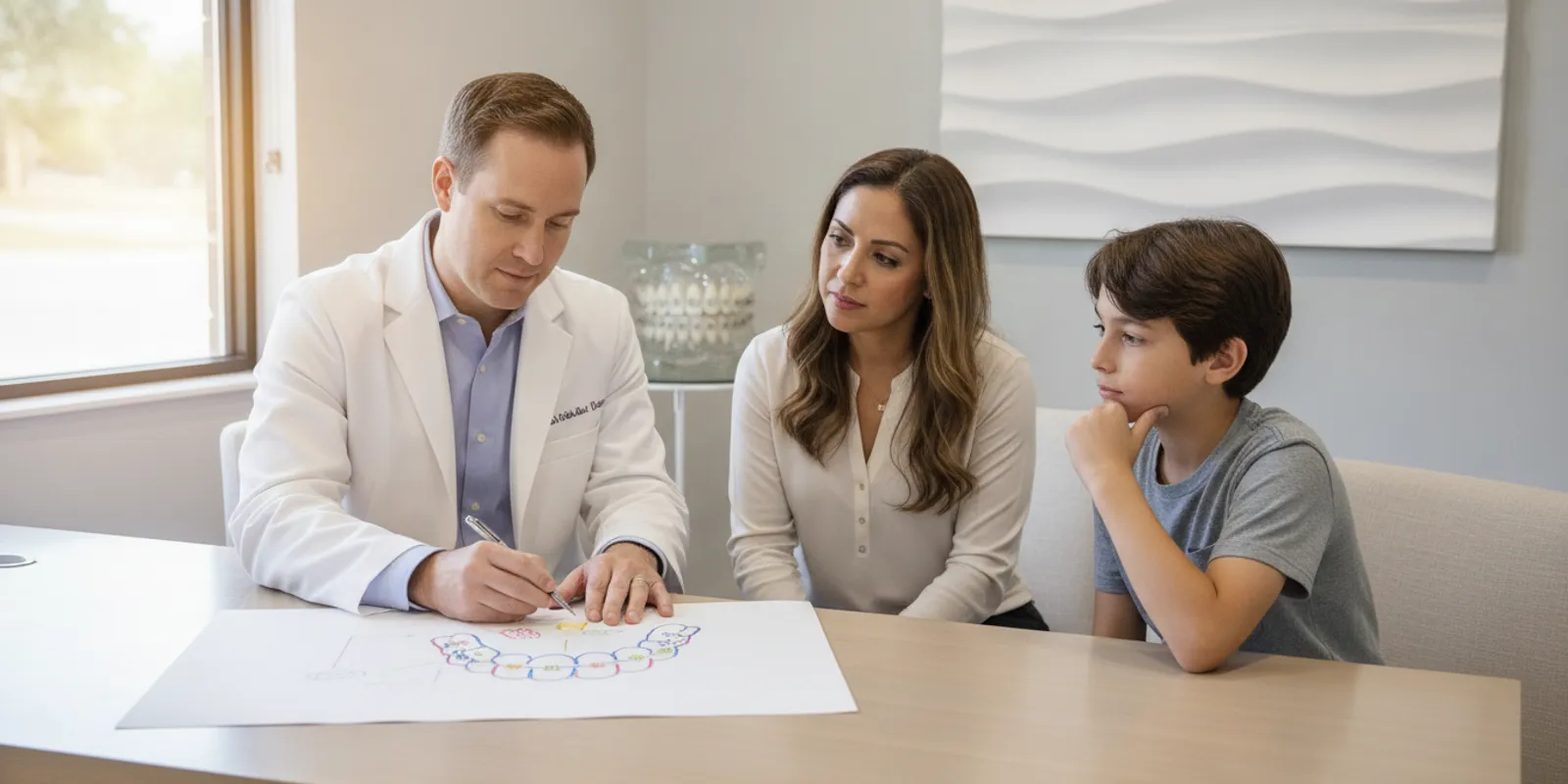
Dental and orthodontic roles can overlap in planning, but they are not interchangeable. The dentist or emergency dental clinician addresses the immediate injury and its dental needs. An orthodontist evaluates alignment and bite concerns and considers how orthodontic mechanics may fit with the broader care plan. Depending on the situation, communication between clinicians can help keep the sequence clear.
Families can make coordination easier by asking who is leading the immediate injury care, which follow-up appointment is next, and whether another clinician should be consulted. If two offices are involved, clarify who will share relevant records and whether the family needs to sign a release. Repeat the instructions back in your own words if anything is unclear, and request clarification before changing braces or an aligner routine.
When ready for an orthodontic discussion, you can learn about braces and treatment options or review Invisalign information. These pages explain general offerings; only an individual evaluation can address whether a particular option fits the circumstances. Families can also review the practice’s emergency-care resource and complimentary consultation information.
What should families avoid doing at home?
When a tooth or appliance looks different after an impact, it can be tempting to test whether it moves or push it back into place. Avoid doing that. Do not force a wire, bracket, tooth, or aligner into position, and do not use household tools to make an adjustment. Contact the dental professional responsible for care and describe what you see. If there is an urgent concern, seek prompt professional help rather than waiting for an orthodontic visit.
Keep any loose orthodontic parts or tooth fragments in a clean container if practical, and ask the clinician whether they are useful. Follow instructions from the treating team about eating, cleaning, or wearing an appliance while the injury is assessed. Because advice varies with the type and location of an injury, avoid relying on an online checklist to decide whether a tooth is safe or whether treatment can wait.
Do not use pain level alone to decide that an injury is minor. Nor should a family assume that a tooth is safe simply because it looks intact. If something seems different after an impact, tell a dental professional what changed and when. The professional can advise whether a visit is needed and how soon it should occur.
What questions can parents and adults ask?
It can be difficult to know which appointment should come next after an injury. A short list can make the conversation more useful and help you leave with a clear plan. Consider asking the treating dental professional:
Does this injury need urgent treatment or follow-up before an orthodontic evaluation?
Which teeth or supporting tissues should be monitored, and what changes should prompt a call?
Should records or imaging be shared with an orthodontist?
Should a current brace or aligner routine change while the injury is assessed?
If orthodontic care is being considered, what needs to be clarified first?
Who should we contact if symptoms change before the next planned visit?
Ask for a plain-language explanation of the next step and its purpose. For example, a family may want to know whether an upcoming visit is for urgent treatment, follow-up observation, or a separate alignment evaluation. Understanding that distinction can prevent confusion and help parents plan school, work, and transportation without treating a routine orthodontic appointment as emergency care.
It is also reasonable to ask what information is still unknown. A clinician may need to observe the area, review prior care, or coordinate with another provider before discussing orthodontic options. Asking what will be reassessed and when can help the family understand the plan without expecting an immediate answer to every question.
Frequently asked questions
Does every dental injury require orthodontic treatment?
No. An injury may need dental care and observation without orthodontic treatment. An orthodontic evaluation can help address alignment or bite questions when they arise, but recommendations depend on an examination and the broader dental plan.
Should we wait until the injury is completely healed to contact an orthodontist?
Do not delay urgent dental care while waiting for an orthodontic appointment. The clinician treating the injury can advise when an orthodontic evaluation may be useful and whether it should happen alongside or after other care.
Can braces or aligners be started immediately after an injury?
There is no single answer for every case. Timing depends on the injury, the condition of the teeth and supporting tissues, and the treating clinicians’ assessment. An orthodontist should coordinate with the dental team when needed.
What if the bite feels different after an accident?
Tell a dentist promptly, particularly if the change is sudden or comes with pain, looseness, or visible damage. A dental and orthodontic evaluation may be appropriate, but an examination is needed to identify the cause.
Should a child stop wearing an aligner after an injury?
Do not make a treatment change based only on general online information. Contact the clinician managing the injury and the orthodontic team for instructions specific to the child’s circumstances. If the injury appears urgent, address that first.
After dental trauma, address urgent needs first and follow the treating clinician’s advice; orthodontic planning can be considered when the injury and the patient’s individual needs have been assessed.