Invisalign vs Braces: A Practical Guide for Patients

Updated: 7 days ago
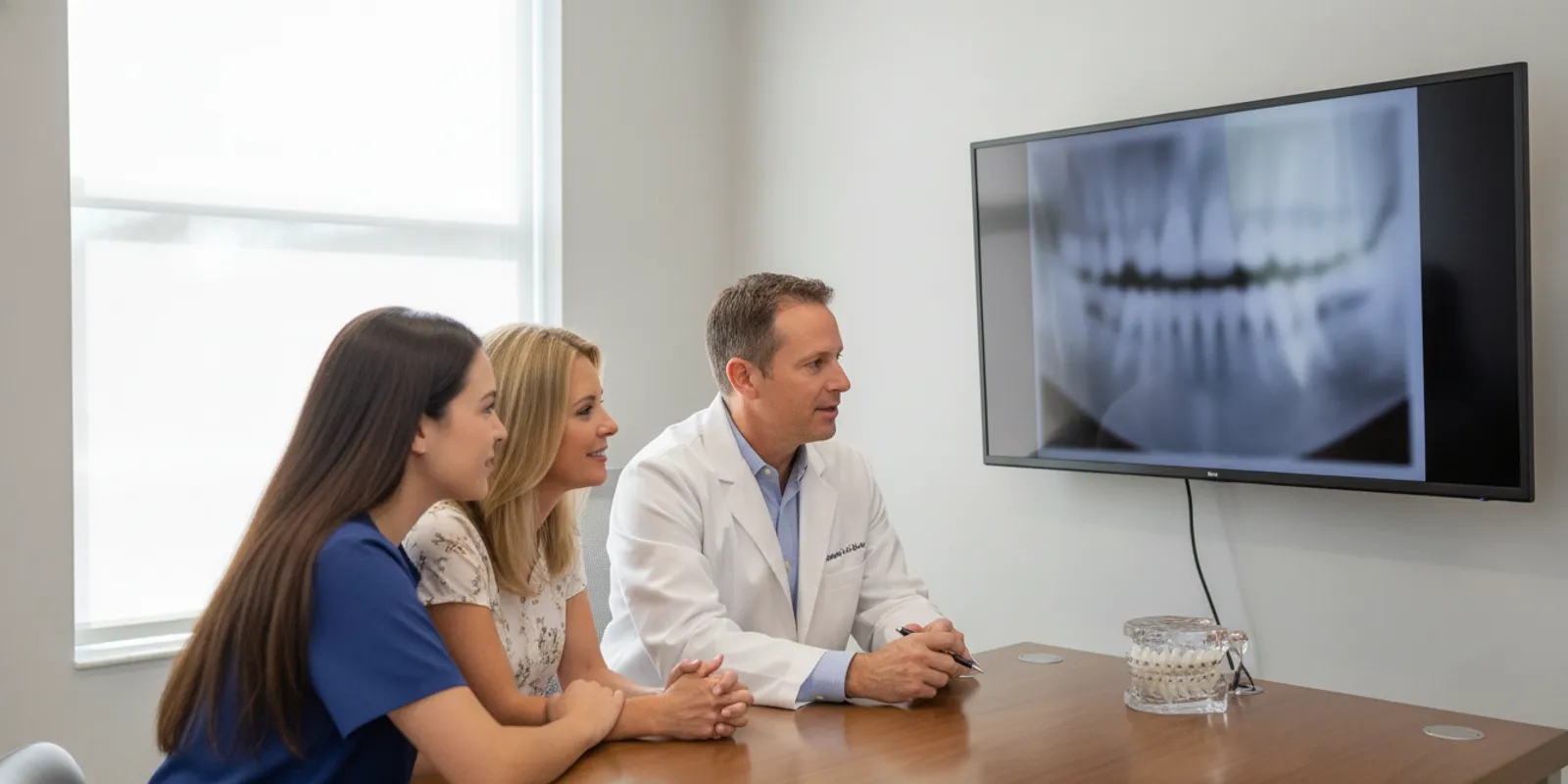
Choosing between Invisalign vs braces involves more than deciding which appliance is less noticeable. Families also weigh school lunches, brushing, sports, appointments, and the responsibility of keeping up with removable aligners. Both can be part of orthodontic care, but neither is right for every person or case. An orthodontist can examine the teeth and bite, explain suitable options, and help you compare daily routines.
Invisalign vs braces: What is the difference?
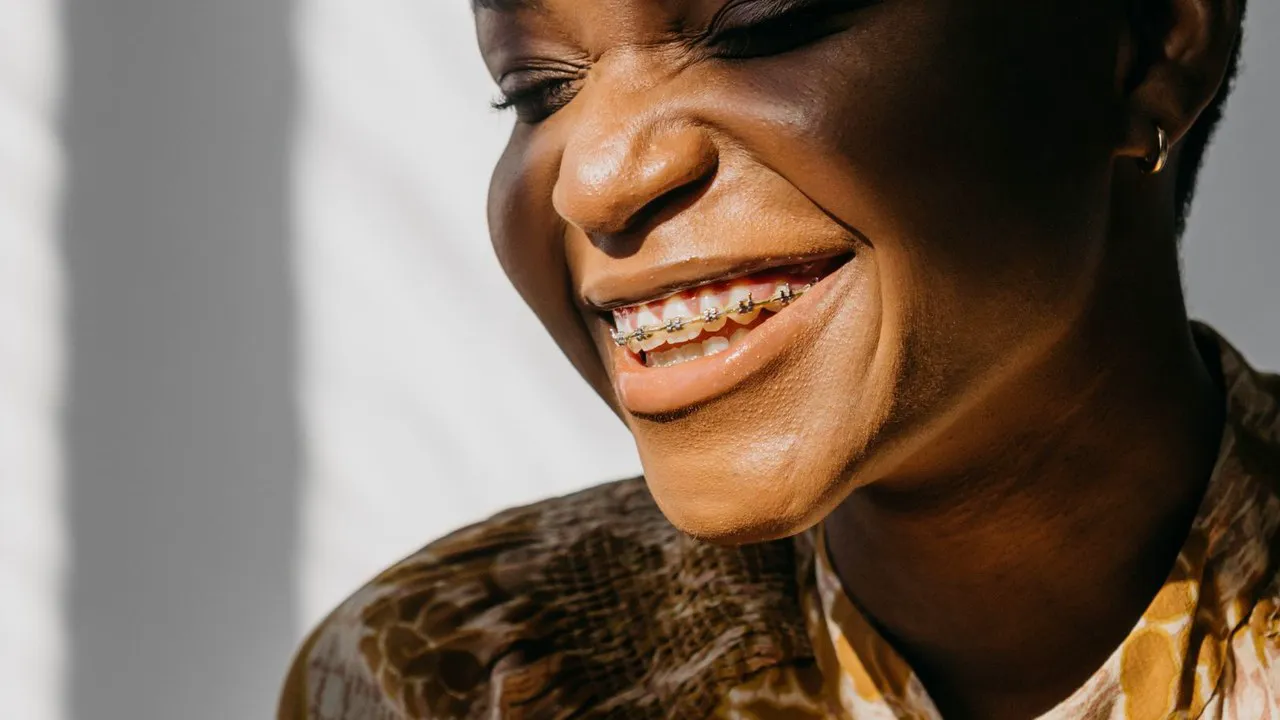
Traditional braces use brackets attached to the teeth and a wire that guides tooth movement under an orthodontist’s direction. They stay in place during meals and throughout the day. Braces may use metal or clear conventional brackets; both require care around brackets and wires.
Invisalign uses a sequence of clear, removable aligners planned for an individual patient. The wearer removes them to eat, drink anything other than water, and brush and floss, then puts them back in according to the orthodontist’s instructions. The clinician determines whether aligners are appropriate and follows progress.
Shullman Orthodontics in Wellington offers Invisalign for teens and adults and traditional metal or clear braces. Selected growing children may be considered for Invisalign First when appropriate. An evaluation does not mean every visitor needs treatment or qualifies for a particular appliance.
For a general overview of how clear aligners and traditional braces differ, you can also review this comparison of Invisalign and traditional braces. A local orthodontic evaluation is still needed to discuss an individual bite and treatment plan.
Invisalign vs braces for appearance and comfort
Invisalign aligners are clear and designed to be less noticeable than conventional metal braces. That may appeal to a teen who feels self-conscious in school photos or an adult who prefers a subtler appliance at work. Less noticeable does not mean invisible, and trays can become cloudy or stained if not cared for as instructed.
Metal braces are visible. Clear conventional brackets may make fixed braces less prominent, but they remain attached to the teeth. Ask which appliance is being discussed and what it looks like. Clear braces and clear aligners describe different appliances.
Comfort varies and can change over time. A new aligner may feel snug. Braces can cause temporary irritation as the mouth adjusts or after an adjustment. Ask the orthodontic team how to handle ordinary soreness and whom to contact if something seems unusual. The most comfortable choice is not identical for every patient.
What changes at meals and during the school or workday?
With Invisalign, remove aligners before eating, store them safely, and reinsert them as directed. This can make food choices more flexible than with fixed braces. It also creates a routine: remove trays, keep them in their case rather than a napkin, eat, clean teeth when practical, and put trays back in. The routine may be simple at home and harder during a rushed school lunch or workday away from home.
Think through a typical weekday. A teen might eat in a busy cafeteria, head to an activity, and have a snack on the way home. An adult might have back-to-back meetings and eat at a restaurant. Ask whether the wearer can reliably manage trays and follow the clinician’s directions. Plan for a case and cleaning supplies, and ask what to do when brushing is not immediately possible.
With braces, the appliance stays in place while eating. Some hard, sticky, or chewy foods can damage brackets or wires, so the orthodontic team provides food guidance. Patients may need to cut food into smaller pieces or choose a different snack. Someone who bites directly into a crisp apple may need to prepare it differently. A damaged appliance may require office advice and sometimes another visit.
For a parent comparing options for a child, consider who will handle the routine. An aligner wearer may need reminders to remove and replace trays, keep them in a case, and bring them home after lunch. With braces, the family instead helps the child follow food instructions and clean around the appliance. Neither routine is effortless; the better fit depends partly on which responsibilities the patient can manage consistently.
Which option makes brushing and flossing easier?
Aligners come out for brushing and flossing, so there are no brackets to work around. That does not make oral hygiene automatic. The wearer needs to brush and floss consistently, clean trays as instructed, and follow directions about cleaning teeth before putting trays back in after eating. Food and residue can otherwise be held against teeth.
Make aligner care repeatable: keep the case in the same place in a backpack or purse, use it at meals away from home, and ask the orthodontic team what to do when brushing is not practical right away. A phone reminder may help a busy teen or adult remember to replace trays after meals.
Braces require a different technique. Brushing around brackets and along the gumline takes patience, and flossing may require a threader or another method recommended by the dental or orthodontic team. A small travel toothbrush, floss supplies, and an appliance-care routine can help at school, work, or while traveling. The goal with either option is consistent cleaning, not a promise that one appliance makes hygiene effortless.
Families can compare the routines using the practice’s braces information page and then ask which daily-care steps apply to the specific appliance under consideration.
How do wear habits and compliance affect the decision?
Because Invisalign aligners are removable, the patient has an active responsibility to wear them according to the orthodontist’s instructions. Removing trays for meals and hygiene is useful only if they are stored safely and put back in. A patient who frequently misplaces trays or forgets to wear them should discuss that honestly during the consultation.
Braces are fixed, so the appliance is not something the patient can take out for a meal or activity. That can simplify the question of whether the appliance is being worn, but it does not remove the need for careful eating, cleaning, and scheduled visits. Brackets and wires also need to be protected from habits that can damage them.
Compliance is not a character judgment. School schedules, sports, travel, meals, sensory preferences, and family routines all matter. The best conversation is practical: who will remember the steps, what reminders are realistic, and what support is available when a problem occurs?
What happens at appointments?
Both approaches involve planned orthodontic appointments so the clinician can assess progress and make adjustments or provide the next instructions. The details depend on the patient, appliance, treatment plan, and the practice’s recommendations. Do not choose an appliance based on a promise of a particular treatment length or a guaranteed number of visits.
For aligners, appointments may include checking how the teeth and bite are responding and confirming that the current sequence is being used as directed. For braces, visits may include evaluating the brackets and wire and making planned adjustments. DentalMonitoring may support communication and remote check-ins for some patients, but it does not replace office visits when an in-person assessment is needed.
Before an appointment, make a short list of questions: How should I handle a loose bracket or lost aligner? What should I bring? Which symptoms are expected, and which require a call? Clear instructions make the routine easier for the whole family.
What if an aligner is lost or an appliance is damaged?
Contact the orthodontic office for case-specific guidance rather than guessing. If an aligner is lost, keep the remaining aligners and case available and ask what the clinician wants you to wear next. Do not use a damaged tray or attempt to repair it unless the orthodontic team tells you to.
If a bracket or wire becomes loose, avoid pulling on it. Note what happened, protect the area from further irritation as appropriate, and contact the office to learn whether you need an appointment or can wait until the next scheduled visit. A damaged appliance may need attention sooner, especially if it causes significant discomfort or interferes with eating.
Having the office’s contact information saved can help. You can find Shullman Orthodontics’ contact information for the Wellington office before an issue occurs. The office can provide the appropriate next step for the particular patient and appliance.
How should parents, teens, and adults compare the options?
For parents of children and teens
Start with the routine your child can realistically manage. Consider lunch at school, sports, sleepovers, brushing, and whether an adult will be available to help with an aligner case or a braces-care routine. A growing child may be considered for Invisalign First when appropriate, but an age-7 check is a recommended evaluation, not an automatic treatment decision.
Ask the orthodontist to explain the bite, growth, appliance choices, and the responsibilities that come with each option. A child may care most about appearance, while a parent may focus on cleaning, lost appliances, food choices, and appointments. Both perspectives belong in the discussion.
For teens
Teens often balance appearance with school, sports, friends, and independence. Invisalign can be less noticeable and removable for meals, but that flexibility requires reliable wear and safe storage. Braces stay in place but require attention to food choices and cleaning around brackets. The right option depends on the patient’s clinical needs and habits, not on appearance alone.
For adults
Adults may weigh meetings, travel, meals out, photography, and the time needed for care. Clear aligners can fit some professional routines, while braces may be the better clinical or practical choice for another patient. Share your schedule and preferences at the consultation so the orthodontist can discuss options without assuming that one appliance fits every adult.
Frequently asked questions about Invisalign vs braces
Is Invisalign always better than braces?
No. Invisalign and braces each have advantages and responsibilities, and suitability depends on the teeth, bite, growth, goals, and daily habits of the individual patient. An orthodontist should evaluate the case before recommending an appliance.
Can I eat anything with Invisalign?
Aligners are removed for meals, but patients still need to follow their orthodontist’s instructions and maintain good oral hygiene. Store the aligners safely, clean teeth when practical, and put the trays back in as directed.
Are clear braces the same as Invisalign?
No. Clear conventional braces use brackets that remain attached to the teeth. Invisalign uses removable clear aligners. Ask the orthodontist to clarify which appliance is being discussed.
What should I ask at a consultation?
Ask which options suit your teeth and bite, what the daily care routine involves, how meals and sports may be affected, what happens if an appliance is lost or damaged, and which follow-up visits are recommended. A consultation is a chance to discuss a case-specific plan, not a promise that every patient needs or qualifies for a particular appliance.
The practical conclusion
There is no universal winner in the Invisalign vs braces decision. Invisalign may appeal to patients who value a less noticeable, removable appliance and can manage the wear routine. Braces may appeal to patients who prefer a fixed appliance and can follow food and cleaning instructions. Clinical suitability, personal preferences, and everyday responsibilities all matter.
Bring your questions, school or work schedule, and concerns about appearance, meals, hygiene, or appointments to an orthodontic evaluation. Shullman Orthodontics can examine the teeth and bite and explain which options may be appropriate for the individual patient.